
Parenting Insights
Practical Parenting Advice for Everyday Challenges

Validating Your Child's Feelings Isn't Enough: The Missing Step Parents Need
You already know to name your child's feelings. What almost nobody tells you is what to do in the moment your kid pushes back, and the step that comes after naming that actually changes the outcome, years down the line, not tonight.

Highly Sensitive Kids Aren't Fragile, They're Amplifiers
Some kids do fine in almost any environment. Others are wired to absorb everything around them, which means the same sensitivity that makes them fall apart under stress is what makes them exceptional under the right kind of attention. This is the research behind that, and the honest part most parenting content leaves out.
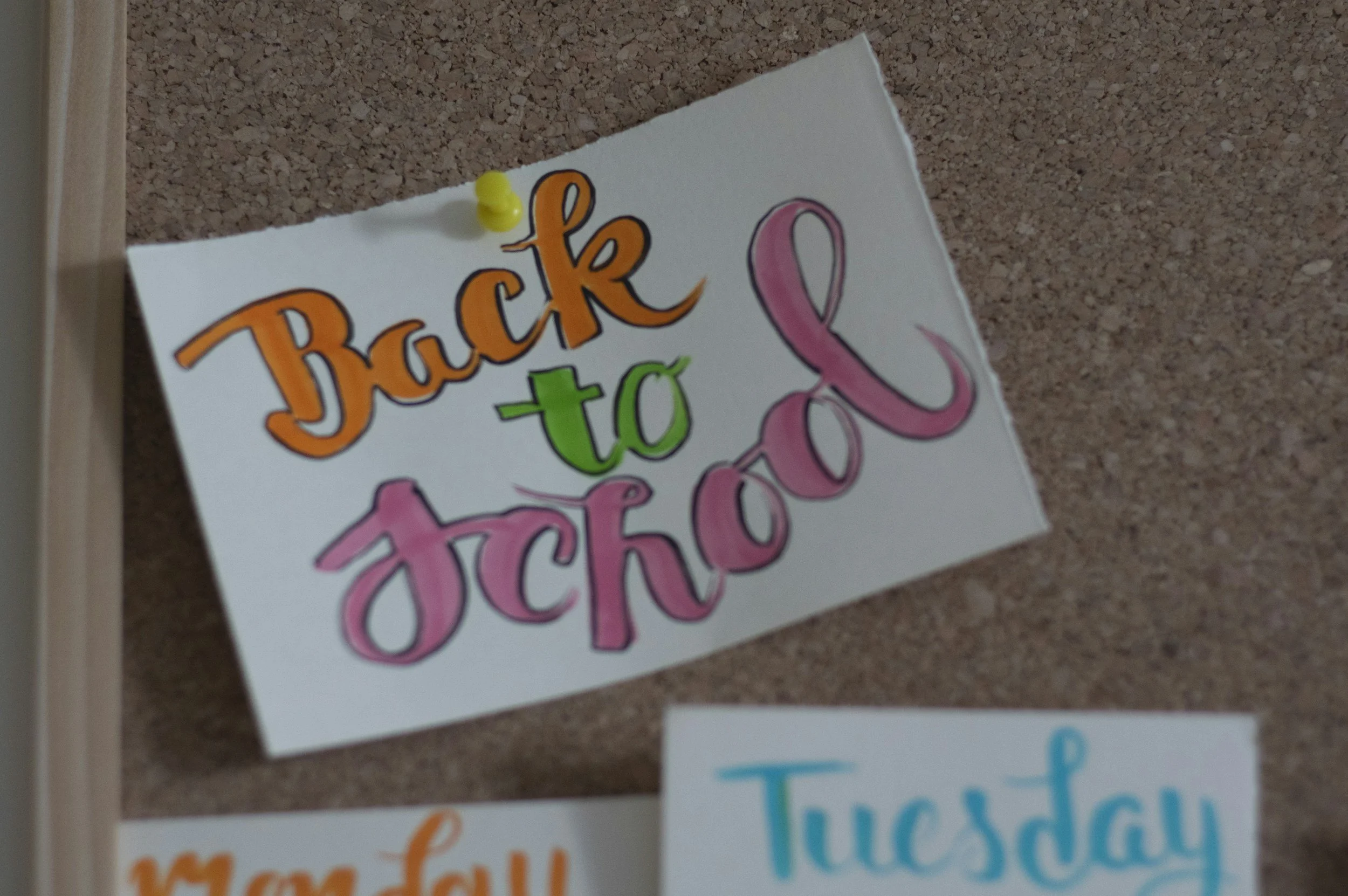
They Held It Together All Day. You Get What's Left.
A preschool director told me something on the first day of school that has explained every August since. Not just for three year olds. For every age, every year, after every long break, whether its after summer break, winter break, or spring break.

The 3 Year Window That Decides How Your Kid Handles Falling Apart
New longitudinal brain research found that one specific neural circuit, measured at age 11, predicts whether a child's emotional and behavioral difficulties spike three years later. It's not the circuit most parents would guess.

The Parenting Loop That's Making Your Child Harder to Regulate
You're doing all the things in the face of your child’s big emotions: staying calm, co-regulating, doing the work. So why is it getting worse? The research explains the loop that parenting advice forgot to tell parents and how to break it.

The Father Effect: Why Your Child Needs Dad in the Hard Moments, Not Just the Fun Ones
Most conversations about emotional development center on mothers. But a growing body of research including a 2025 meta-analysis across hundreds of studies, points to something fathers do that is unique, irreplaceable, and largely unnamed in mainstream parenting. This is what dad's presence is actually building.

The Tantrum You Keep Trying to Stop Is the Lesson Your Child's Brain Needs Most
Every parenting resource tells you how to end a tantrum faster. Nobody told you that ending it is exactly what blocks the brain development happening inside it. Here is what the research actually says, and what it means for what you do next time.

What the “Jessica Trick” Gets Wrong About How Feelings Actually Work
When we distract a child away from a big feeling, the behavior stops. But the feeling doesn't. Research on habitual distraction shows that children repeatedly moved past their emotional experience rather than through it develop measurable difficulty identifying their own feelings and reading others over time. What actually happens to feelings that never get processed, and what parents can do in the specific developmental window that is open right now.

You Are the Variable That Overrides Almost Everything Else in Your Child's Environment
Most parents trying to protect their children right now are focused on the wrong thing. Harvard's developmental research identified a variable that overrides almost every external stressor a child faces. This is what it is, what it looks like across every developmental stage, and why the parent in the hardest season of their life may already be the most powerful protective force their child has.

17% of Parents Think Their Kid Will Go Pro—Here's What's Really Happening
Your child shows talent. You invest time, money, energy. But when does supporting their ability cross into fusing their identity to an outcome they may never reach or may not even want? New research reveals what happens when we attach our children's self-concept to singular achievements, and what they actually need from us instead.

How to Teach Kids to Manage Stress: The 3 Skills Resilience Research Shows Actually Work
If you've been doing everything gentle parenting told you to: staying calm through every meltdown, validating every feeling—and your kid still can't handle small frustrations independently, this isn't a parenting failure. It's a strategy gap. Here's what the research on resilience actually shows about building independent coping capacity.

The 3 Phases of Self-Regulation Your Child's Brain Actually Needs (And Why Most Parents Skip Phase 2)
You're not supposed to prevent meltdowns. You're supposed to help your child learn through them. Here's the neurobiological sequence most parents don't know exists—and why your child can't calm down without you fixing everything.

The Recharge/Retreat Trap: What You're Missing About Your Kid's Alone Time
Your kid retreats to their room after a hard day. Should you follow them or give them space? You've been told "never leave kids alone with big feelings” but you've also been told "respect their need for autonomy." But alone time isn't universally good or bad. What matters is WHY your child is retreating and learning to read the signals that tell you the difference.

Why Your Kid Won't Answer "How Was Your Day" (And What Actually Works)
You ask "How was your day?" and get silence, shrugs, or "I don't know." It's not defiance—it's neurology. Direct questions assume developmental capacities your child might not have yet. Here's what actually works, backed by research and field-tested with real kids.

Repair Is the Parenting Superpower No One's Teaching
Most parents think accountability means consequences, but research across neuroscience, attachment theory, and restorative justice shows punishment doesn't build internal capacity for responsibility—repair does. This comprehensive guide breaks down the Repair Framework: what repair actually looks like at different ages, how to facilitate it when you weren't there, why going to the harmed child first matters, and how to implement this approach even when you're busy and dysregulated. Includes the real barrier most parenting advice ignores: your own nervous system. Learn how to track repairs instead of failures, teach your kids bidirectional accountability, and build the relational skills that will serve them for life.

Understanding Perfectionism in Children—Types, Risks and Help
Perfectionism in children doesn’t always look like straight A’s and gold stars. Sometimes it’s a preschooler ripping up art over a crooked line. Sometimes it’s a middle schooler hiding unfinished homework because they’re afraid of being “found out.” And sometimes it’s a teen who can’t post a photo without editing it into oblivion.
We are breaking down the three perfectionist types, how temperament, neurodivergence, and cultural norms shape them, and why the wrong kind of praise or pressure can cement the problem.

Growth Mindset Is Not a Belief, It’s a System
Is your child shutting down at school? Avoiding hard tasks? It may not be a motivation problem. It may be a safety one. This research-rich guide shows how parents can build a real growth mindset system at home, and why that matters more than any classroom pep talk.

The Real Reason It Feels Like They Forgot Everything
Your child didn’t forget everything over the summer. They just haven’t had enough safe, supported chances to recall it. Here’s the science-backed truth about memory, school readiness, and why your calm—not cramming—is what actually helps.

Yes, Your Teen Is Listening… Just Not to What You Think
If you think your teen has tuned you, think again. They’re not ignoring you, they’re studying you. We unpack how modeling empathy, and emotional congruence shape adolescent behavior more than you realize. Plus, how to parent through risk without losing influence.