
Parenting Insights
Practical Parenting Advice for Everyday Challenges
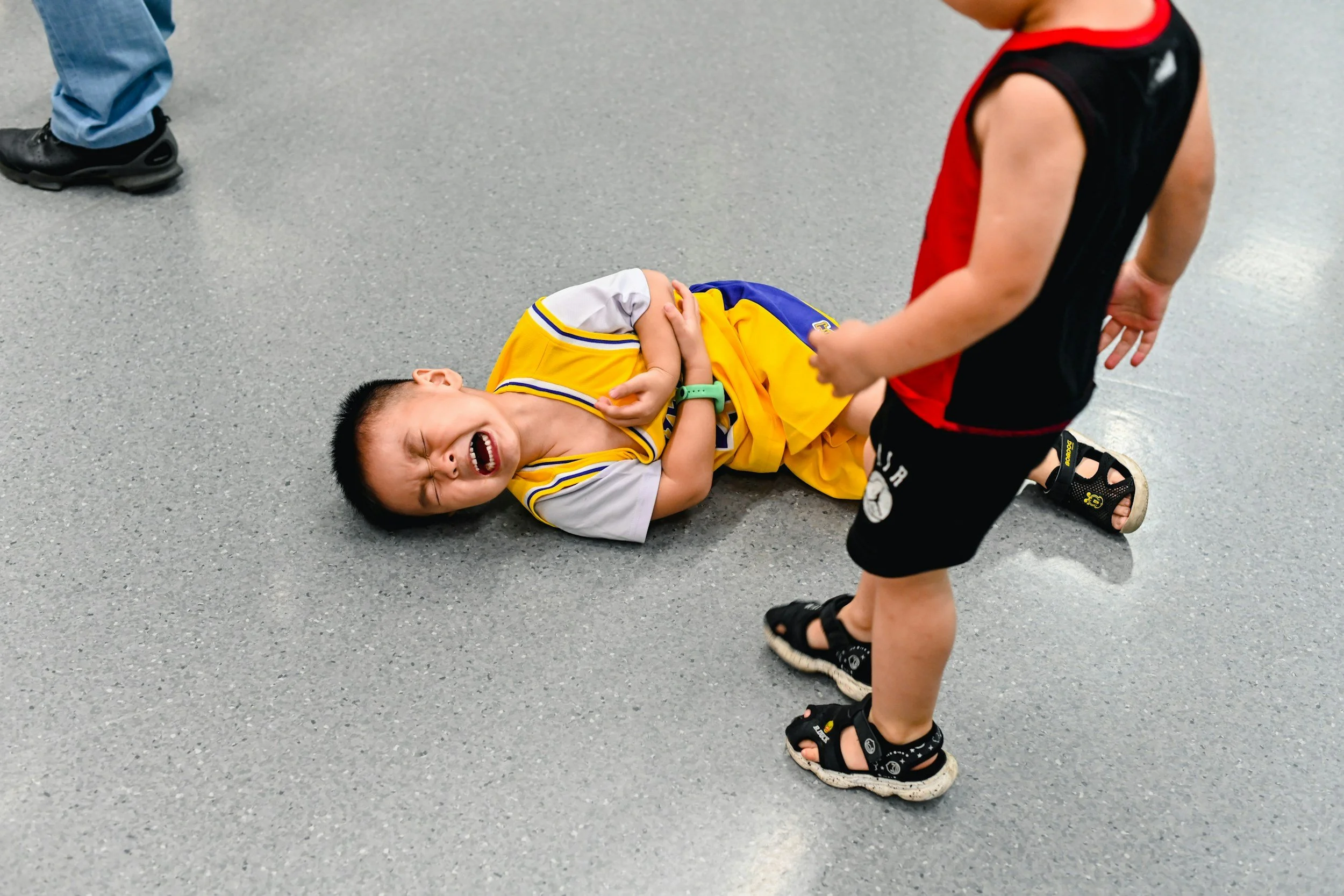
Why Kids Say Yes To Questions They Don't Fully Understand
If your kid says they understand why we don't hit (or kick, scratch, bite), and then does it again anyway, the yes probably isn't the problem you think it is.

Why Having Fun Is a Parenting Strategy, Not a Luxury
High-achieving parents often build extraordinary lives and quietly stop enjoying them. Child development research has something specific to say about that — and it has less to do with self-care than with what your child's nervous system is doing every time you walk into the room.

The Parenting Loop That's Making Your Child Harder to Regulate
You're doing all the things in the face of your child’s big emotions: staying calm, co-regulating, doing the work. So why is it getting worse? The research explains the loop that parenting advice forgot to tell parents and how to break it.

17% of Parents Think Their Kid Will Go Pro—Here's What's Really Happening
Your child shows talent. You invest time, money, energy. But when does supporting their ability cross into fusing their identity to an outcome they may never reach or may not even want? New research reveals what happens when we attach our children's self-concept to singular achievements, and what they actually need from us instead.

New Year's Resolutions Kids Actually Want to Keep
What if your child's New Year's resolution was to try every ice cream flavor or visit all the neighborhood parks? It sounds silly, but the neuroscience says these "ridiculous" goals might be exactly what their developing brain needs. Here's why the best kid goals are the ones that make you roll your eyes.

Why Your Kid Won't Answer "How Was Your Day" (And What Actually Works)
You ask "How was your day?" and get silence, shrugs, or "I don't know." It's not defiance—it's neurology. Direct questions assume developmental capacities your child might not have yet. Here's what actually works, backed by research and field-tested with real kids.

Why Your Child's Holiday Meltdowns Aren't Misbehavior (It's Their Nervous System)
Think your kids are "worse" during the holidays? They're not misbehaving—they're experiencing nervous system overload. Here's the research-backed truth about why December brings more meltdowns, and the surprising role your stress plays in your child's dysregulation.

Four Play Environments Are All Your Child Needs (Science Says Stop Buying More)
Before you add one more item to your holiday cart, read this: May 2025 research on kindergarten free play just revealed that four distinct play environments produce measurable developmental gains across every domain. More than four gave kids nothing. Here's what your child's brain actually needs—and why the enrichment culture has been lying to you.

The Screen Time Conversation Everyone's Having (And The Critical Piece It's Missing)
Everyone's talking about screen time limits and getting kids outside. The advice sounds universal: less screen time, more real-world experiences. But here's what the entire conversation is missing: boys and girls are using screens to meet fundamentally different developmental needs. The same solution that works brilliantly for boys completely misses the mark for girls. If you've tried limiting your daughter's phone and she seems worse or noticed your son won't engage with anything that isn't a screen, this explains why - and what to do instead.
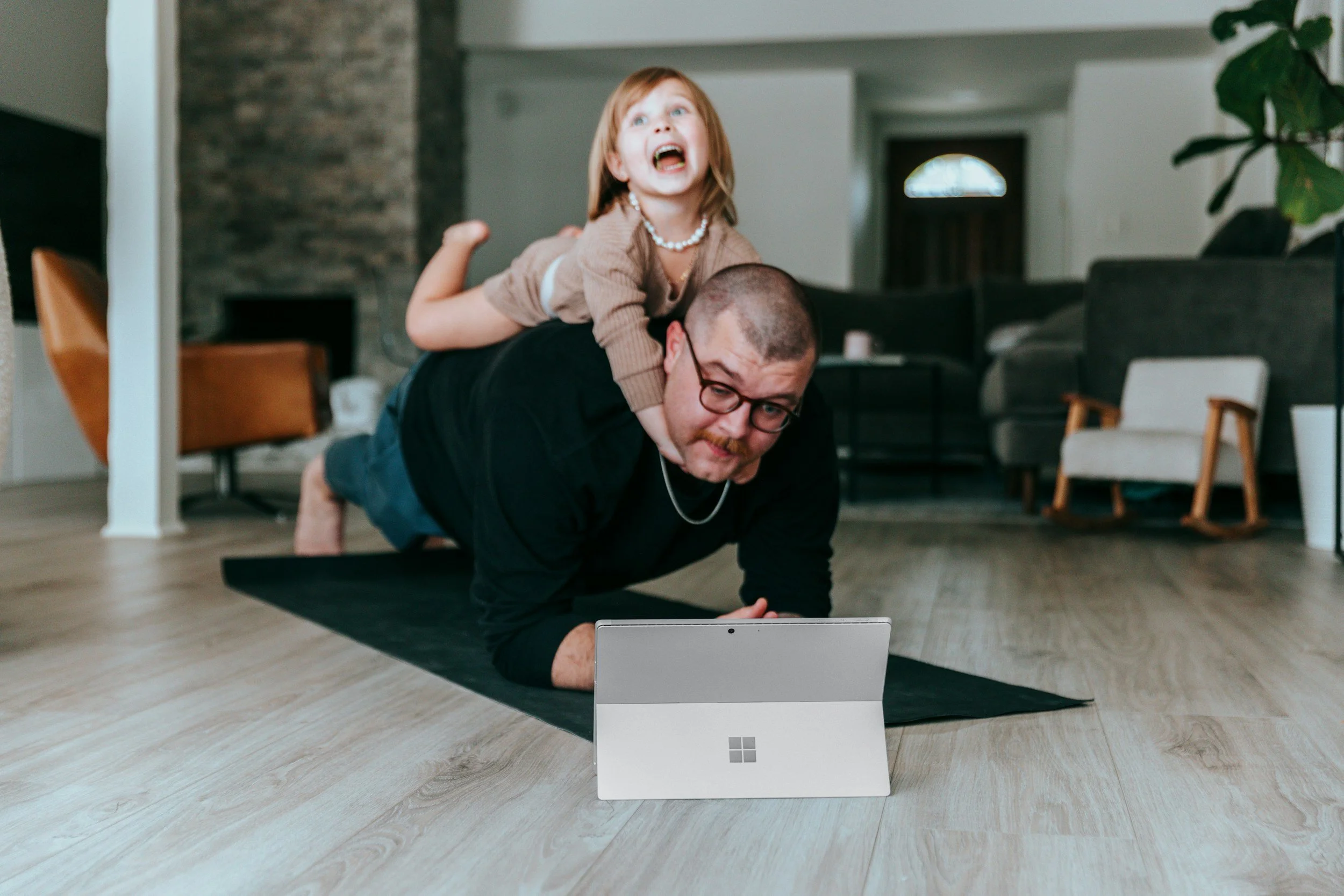
When Kids Can't Read the Room: The Research-Backed Truth About Social Awareness (And Why Teaching It Wrong Creates People-Pleasers)
Most parents think teaching kids to read social cues means getting them to adjust their behavior when we're stressed. New research reveals this approach accidentally creates lifelong people-pleasers instead of emotionally intelligent humans.

Shared Control: The Missing Link in Raising Responsible, Less Risky Teens
Many parents fear that letting go means losing control. But the real danger is trying to parent teens the same way we parented them as kids. Shared control isn't permissive parenting—it's strategic scaffolding. We dives into why adolescents need increasing autonomy, what the research says about power-sharing, and how one simple shift can prevent risky behavior, strengthen trust, and build long-term connection.

Understanding Perfectionism in Children—Types, Risks and Help
Perfectionism in children doesn’t always look like straight A’s and gold stars. Sometimes it’s a preschooler ripping up art over a crooked line. Sometimes it’s a middle schooler hiding unfinished homework because they’re afraid of being “found out.” And sometimes it’s a teen who can’t post a photo without editing it into oblivion.
We are breaking down the three perfectionist types, how temperament, neurodivergence, and cultural norms shape them, and why the wrong kind of praise or pressure can cement the problem.

Growth Mindset Is Not a Belief, It’s a System
Is your child shutting down at school? Avoiding hard tasks? It may not be a motivation problem. It may be a safety one. This research-rich guide shows how parents can build a real growth mindset system at home, and why that matters more than any classroom pep talk.

The Real Reason It Feels Like They Forgot Everything
Your child didn’t forget everything over the summer. They just haven’t had enough safe, supported chances to recall it. Here’s the science-backed truth about memory, school readiness, and why your calm—not cramming—is what actually helps.

“Because I Said So” Isn’t a Lesson: Rethinking FAFO Parenting in a Generation That Knows Better
You don’t want to scare your child. You just want them to listen. But FAFO parenting (Fear based, authoritarian, fast obedience) feels easier sometimes… until it backfires. Here’s why even child development experts fall into it, what science says about its long-term effects, and how to rewire your reactions without losing authority.